Introduction
In the world of emergency medical services, maintaining composure during a crisis is not just an ability; it's an important high quality that can imply the distinction between life and fatality. Basic Life Support (BLS) responders commonly locate themselves in high-pressure circumstances where fast thinking and calmness are critical. This short article explores efficient strategies for BLS -responders to maintain their composure while implementing their duties, specifically when faced with essential instances requiring prompt action.
Maintaining Calmness During a Dilemma: Tips for BLS Responders
Understanding the Significance of Composure
When confronted with emergencies, the capacity to stay calm enables -responders to make reasonable choices promptly. Panic or tension can cloud judgment and slow down reactions, which may bring about disastrous outcomes in lethal scenarios.
The Role of Training in Structure Composure
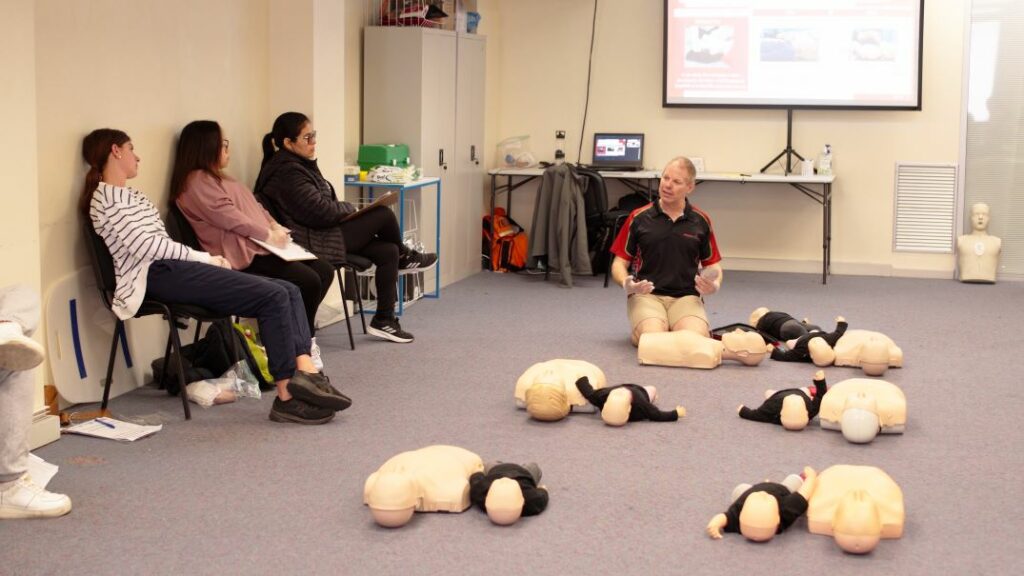
One fundamental way to foster calmness is with strenuous training. Normal simulation exercises enable -responders to exercise their skills under stress, simulating real-life emergency situations. This hands-on experience can significantly enhance confidence levels when actual crises arise.
Basic vs Advanced Life Support: An Essential Distinction
Understanding the distinctions between fundamental and sophisticated life assistance can aid responders know when to use particular techniques. While BLS focuses on foundational abilities such as mouth-to-mouth resuscitation and AED usage, progressed life assistance includes extra complex treatments like medicine management and intrusive procedures.
Recognizing Your Range of Practice
It's important for BLS providers to understand their limitations. Withstanding the urge to tip over one's head's training helps keep focus and calmness during difficult situations.
Checking Responsiveness: The Initial Step in Assessment
When reaching a scene, among the initial actions is inspecting responsiveness. This includes gently trembling the casualty while asking if they are fine. A less competent person calls for immediate attention and might be suffering from problems such as heart attack or stroke.
Techniques for Efficient Responsiveness Checks
Shaking carefully: Use a company yet gentle approach. Clear verbal triggers: Ask straight questions. Observe physical cues: Look for indications of breathing or movement.Identifying No Breathing: An Important Skill
Identifying whether a casualty is breathing is pivotal in BLS feedback. If there's no breathing discovered, initiating CPR immediately is essential.
How to Examine Casualty's Breathing
- Look: Observe if the chest rises and falls. Listen: Position your ear near their mouth. Feel: Look for breath versus your cheek.
Utilizing Healthcare facility Codes and Protocols
Familiarity with hospital codes and protocols can simplify interaction throughout emergencies. These codes aid ensure that all staff member are on the exact same web page concerning client status and needed interventions.
Importance of Communication
Effective communication reduces confusion among staff member, allowing them to execute their duties efficiently without second-guessing each various other in high-stress environments.
Public Defibrillator Usage: When Every Second Counts
Public gain access to defibrillators (PADs) have actually ended up being invaluable tools in saving lives during cardiac occasions. Knowing just how to make use of these devices can substantially boost survival rates.
Steps for Utilizing a Public Defibrillator:
Turn on the device: Comply with voice prompts. childcare first aid blended course Attach pads: Ensure proper positioning on bare skin. Follow instructions: Permit the gadget to evaluate heart rhythm before providing shocks if necessary.Taking Switches on Compressions: A Team Effort
When performing mouth-to-mouth resuscitation, taking turns on compressions helps prevent tiredness amongst rescuers, making hltaid012 program sure constant blood circulation up until specialist assistance arrives.

Guidelines for Reliable Compression Teams:
- Rotate every 2 minutes: To preserve optimal compression quality. Communicate clearly: Reveal when it's time to switch over roles. Stay focused: Keep focus high throughout rotations.
Slow Compression Price vs Lower Compression Depth
While it's important to keep a proper compression price (100-120 More helpful hints compressions per min), over-exertion can result in lower compression depth, which lessens effectiveness.
Finding Balance
Responders should concentrate on constant rhythm rather than rate alone while ensuring compressions reach appropriate depth (at least 2 inches).
Additional Methods for Preserving Composure
Mindfulness Strategies Throughout Emergencies
Practicing mindfulness strategies-- such as deep breathing-- can minimize anxiousness degrees substantially prior to and during an emergency situation action situation.
Simple Mindfulness Practices:
Deep Breathing Exercises: Breathe in deeply via your nose; exhale gradually via your mouth. Visualization Methods: Visualize yourself effectively handling the situation at hand.Debriefing After Crises
Post-event debriefings provide -responders an opportunity to reflect on their performance and emotional state throughout an incident, enabling them area for individual growth and improvement.
Key Factors for Efficient Debriefings:
- Discuss sensations openly: Share emotional feedbacks without judgement. Analyze what worked well or badly: Determine staminas and areas requiring improvement.
FAQs Concerning Preserving Calmness Throughout a Crisis
What should I do initially when I get to a scene?
The very first step is checking responsiveness complied with by analyzing breathing status prior to beginning any kind of interventions like CPR if needed.
How do I manage my feelings throughout stressful situations?
Practicing mindfulness methods such as deep-breathing workouts before responding can aid you manage stress properly during emergencies.
Why is teamwork essential in BLS?
Teamwork promotes much better control amongst rescuers, ensuring tasks are executed successfully without complication or miscommunication under pressure.
What are medical facility codes?
Hospital codes refer to standard messages used within medical care setups that connect urgent scenarios swiftly amongst staff members without creating panic among patients or visitors.
Are public defibrillators safe to use?
Yes! Public defibrillators are made with security features that direct individuals via each action of procedure; they only deliver shocks when essential based upon heart rhythm analysis.
How frequently needs to rescuers rotate during CPR?
Rescuers ought to intend to take turns every 2 minutes; this helps maintain premium compressions without taking the chance of exhaustion influencing performance over time.
Conclusion
In verdict, maintaining calmness during a dilemma is paramount for BLS -responders charged with making fast choices that conserve lives daily. By comprehending essential abilities-- such as inspecting responsiveness, determining no breathing-- and implementing effective communication strategies via established procedures like health center codes or public defibrillator use; -responders can stand out even under immense stress. With recurring training concentrated on structure psychological resilience along with technological knowledge; we encourage ourselves not just as lifesavers but likewise as people with the ability of handling hardships gracefully among turmoil-- ultimately leading us towards successful emergency situation outcomes time and again again!

This detailed article thoroughly covers numerous facets of keeping calmness throughout crises particularly tailored for Basic Life Support responders while integrating essential key words throughout its framework favorable towards enhancing readability alongside search engine optimization effectiveness!